Hair loss in men doesn’t have to be permanent. Understanding the root causes of alopecia is the first step toward finding the right treatment solution.
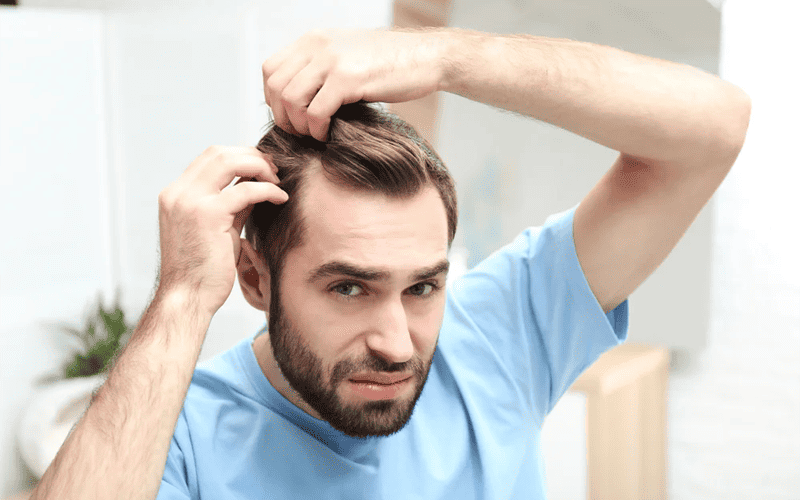
Alopecia, the medical term for hair loss, is a widespread concern affecting millions of men worldwide. While hair loss is a natural part of aging, its premature or excessive occurrence can significantly impact self-esteem and quality of life. This article delves into the various types of alopecia affecting males, exploring their causes, symptoms, and available treatment options.
Types of Alopecia in Males
Several distinct types of alopecia can affect men, each with unique characteristics:
- Androgenetic Alopecia (Male Pattern Baldness) This is the most common type of hair loss in men, accounting for over 95% of cases. It follows a predictable pattern of receding hairline and thinning crown, eventually progressing to partial or complete baldness. Genetics and male hormones (androgens) play a crucial role in its development. It can begin as early as puberty but typically becomes more noticeable in the late 20s or 30s.
- Alopecia Areata This autoimmune condition causes hair loss in round or oval patches on the scalp, face, or other body parts. Your immune system mistakenly attacks hair follicles, leading to hair loss. It can occur at any age and is often triggered by stress or illness. In some cases, hair loss can be extensive (alopecia totalis) or involve the entire body (alopecia universalis).
- Telogen Effluvium This type of hair loss is characterized by excessive shedding due to a disruption in the hair growth cycle. It can be triggered by various factors, including stress, illness, medication, or nutritional deficiencies. Hair loss is usually temporary, with hair regrowth occurring within a few months.
- Scarring Alopecia (Cicatricial Alopecia) This is a less common group of disorders that cause permanent hair loss due to scarring of the hair follicles. It can be caused by various factors, including inflammation, infections, or skin conditions. Hair loss is irreversible as the hair follicles are destroyed.
Causes of Alopecia in Males
The causes of alopecia in males vary depending on the specific type:
- Genetics: A family history of baldness is a significant risk factor for androgenetic alopecia.
- Hormones: Male hormones, particularly dihydrotestosterone (DHT), play a key role in male pattern baldness.
- Autoimmune disorders: In alopecia areata, the immune system attacks hair follicles.
- Stress: Physical or emotional stress can trigger telogen effluvium.
- Medications: Certain medications, such as chemotherapy drugs, can cause hair loss.
- Nutritional deficiencies: Lack of essential nutrients, such as iron or zinc, can contribute to hair loss.
- Infections: Scalp infections can sometimes lead to hair loss.
Symptoms of Alopecia in Males
Symptoms of alopecia can vary depending on the type:
- Gradual thinning on top of the head: This is the most common symptom of male pattern baldness.
- Receding hairline: The hairline gradually moves backward, forming an “M” shape.
- Circular or patchy bald spots: These are characteristic of alopecia areata.
- Sudden loosening of hair: This can occur in telogen effluvium.
Scaling or inflammation of the scalp: This may be present in scarring alopecia.
Treatment Options for Alopecia in Males
Several treatment options are available for alopecia in males, depending on the type and severity:
- Medications:
- Minoxidil (Rogaine): This over-the-counter topical medication can stimulate hair growth.
- Finasteride (Propecia): This prescription oral medication can block the conversion of testosterone to DHT.
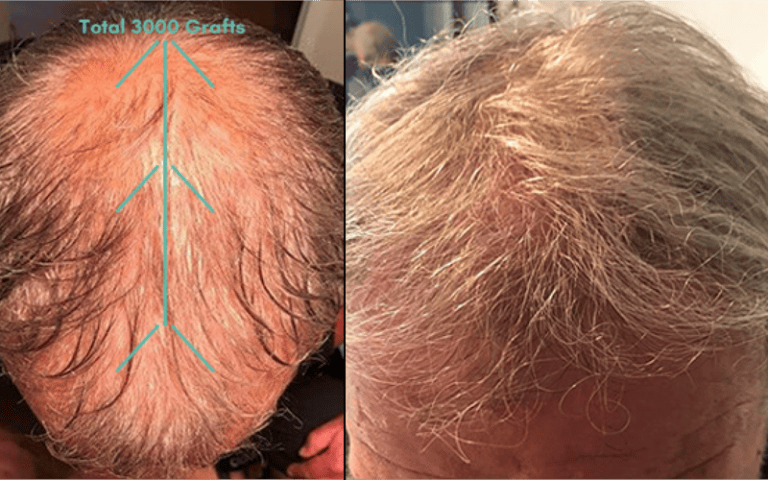
- Hair Transplant Surgery:
- This involves transplanting hair follicles from a donor area to the balding area.
- Direct Hair Implantation (DHI) and Follicular Unit Extraction (FUE) are two common techniques.
- Low-Level Laser Therapy (LLLT):
- This treatment uses lasers to stimulate hair growth.
- Lifestyle Changes:
- Managing stress, eating a healthy diet, and avoiding harsh hair treatments can help improve hair health.
- Wigs or Hairpieces:
- These can provide a cosmetic solution for hair loss.
Choosing the Right Treatment
The best treatment for alopecia in males depends on several factors, including the type of hair loss, its severity, and individual preferences. Consulting a healthcare professional or a dermatologist is crucial for accurate diagnosis and personalized treatment recommendations.
Final Word
Alopecia in males is a common concern with various types and causes. While hair loss can be distressing, several effective treatments are available. Seeking professional advice and exploring suitable options can help men manage hair loss and improve their overall wellbeing, explain the procedure in detail, and answer any questions you may have to help you make an informed decision.