Curious about ALMI Nanofat? Learn why this groundbreaking treatment is capturing attention and transforming the way we approach hair restoration.
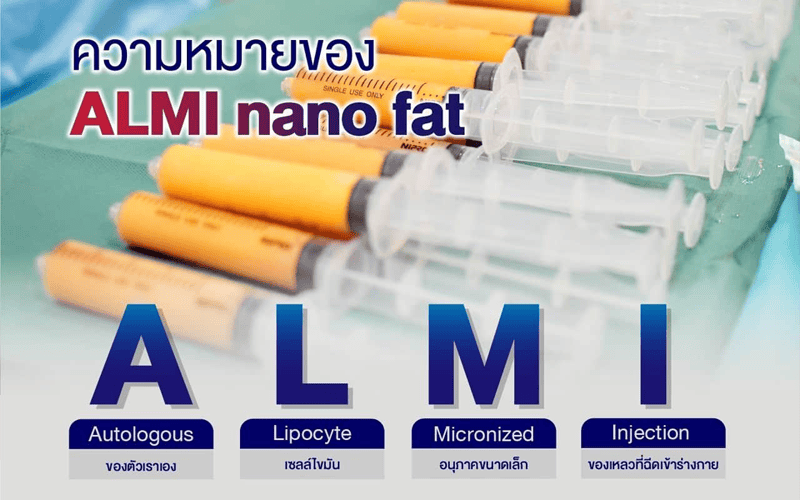
ALMI Nanofat Transfer is featured on the treatments page of our website, yet it remains the most sought-after topic for further information. This post aims to delve deeper into the treatment, exploring the reasons behind the overwhelmingly positive responses from patients.
Why Long Hair Transplants Shine
- Autologous ALMI Nanofat uses your own fat to stimulate hair growth, offering a natural and safe option.
- Minimally Invasive It is minimally invasive, with little to no downtime, and can increase hair density and thickness.
- Long Lasting Results Results can last 1-2 years and may reduce hair shedding after transplants.
Overview
ALMI Nanofat is a cutting-edge hair restoration technique that harnesses your body’s own fat to promote hair growth. This method is particularly appealing for those seeking a non-surgical solution to hair loss, as it involves extracting fat from areas like the thighs or abdomen, processing it to isolate growth factors, and injecting it into the scalp. This process revitalizes hair follicles, leading to thicker, healthier hair.
Benefits
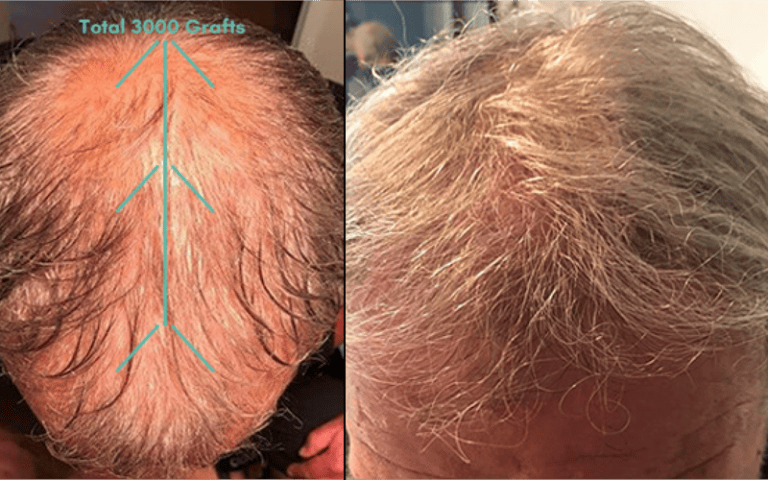
The benefits of ALMI Nanofat include its natural approach, minimizing the risk of allergic reactions since it uses your own fat. It’s a quick outpatient procedure, often completed in 1-2 hours, with no significant downtime, making it convenient for busy individuals. Research, such as a study published in the Journal of Cosmetic Dermatology, shows it can increase hair density by 35% and thickness by 25% in patients with androgenic alopecia, offering visible results within 2-3 months. Additionally, it can be combined with hair transplants to enhance outcomes and reduce post-procedure hair shedding, known as shock loss. Surprisingly, results can last up to 2 years, providing a long-term solution compared to some other treatments.
Procedure and Suitability
The procedure involves gentle liposuction to harvest fat, followed by a 4-step filtration process to create nanofat, which is then injected into the scalp. It’s suitable for various conditions like baldness, thinning hair, and patchy hair loss, but may not be ideal for those lacking sufficient fat for extraction or needing extensive hair transplant coverage.
ALMI Nanofat Transfer for Hair Restoration
ALMI Nanofat represents a significant advancement in the field of hair restoration, leveraging autologous fat transfer to address hair loss and thinning. Below we provide a comprehensive analysis of its benefits, supported by clinical evidence and practitioner insights, ensuring a thorough understanding for both patients and professionals.
Benefits of ALMI Nanofat
The benefits of ALMI Nanofat for hair restoration are multifaceted, addressing both efficacy and patient experience. Below is a detailed table summarizing these benefits, supported by specific data and observations:
Benefit |
Details and Evidence |
| Natural and Safe | Utilizes autologous fat, minimizing allergic reactions. No significant side effects reported in studies. |
| Minimally Invasive | Outpatient procedure, typically 1-2 hours, with no downtime. Painless with specialized needles and nerve blocks. |
| Stimulates Hair Growth | Increases hair density by 35% and thickness by 25%, as per a PubMed study on androgenic alopecia patients. |
| Long-Lasting Results | Results last 1-2 years, with noticeable improvements in 2-3 months, as reported by The Skin Clinic. |
| Complementary to Other Treatments | Enhances hair transplant outcomes, with 70% fat adherence to the scalp, reducing shock loss post-transplant. |
| Reduces Shock Loss | Latest research indicates reduced hair shedding after transplants, supported by Dr. Nuttorn’s (Dr. Top) IMCAS 2024 research. |
| EUS FDA Approval | US FDA approved, with high patient satisfaction rates. |
| Suitable Conditions | Effective for baldness, thinning hair, fine hair, patchy hair loss, and scalp scars. Excels as an addendum to hair transplants. |
Clinical Evidence and Research Support
Clinical evidence underscores the efficacy of ALMI Nanofat. A prospective blinded study published on PubMed (Abstract: The Use of Nanofat in Androgenic Alopecia) involved 12 male patients with androgenic alopecia, demonstrating significant improvements in hair density and thickness without notable side effects. The study utilized the Tulip NanoTM kit for nanofat preparation, highlighting its safety and effectiveness.
Additionally, The Skin Clinic reports Dr. Nuttorn’s (Dr. Top) research, published at IMCAS 2024 in Paris, which analysed numerous patient cases and found that 70% of injected fat adheres to the subcutaneous fat layer, strengthening hair follicles and revitalizing the scalp post-transplant. This research also notes a reduction in shock loss, a common concern following hair transplant procedures.
Comparative Analysis
Compared to traditional methods like Platelet Rich Plasma (PRP), Platelet Rich Fibrin (PRF) and medications including minoxidil or finasteride, ALMI Nanofat offers distinct advantages. Almeka Medical Centre suggests that combining nanofat with PRP (Nano PRP) provides longer-lasting results than PRP alone, requiring fewer PRP sessions. This is attributed to the high concentration of adipose-derived stem cells (ADSCs) in fat, which are 500 times more abundant than in bone marrow, enhancing regenerative potential.
In contrast to surgical hair transplants, ALMI Nanofat is non-invasive, with no need for incisions, and offers a complementary role by preparing the scalp pre-transplant and aiding recovery post-transplant. However, its limitations are that it won’t achieve the same level of hair coverage as hair transplants for advanced baldness, making it more suitable for early-stage hair loss or as an adjunct therapy.
Procedure Details and Patient Experience
The procedure is described as comfortable, often completed in a “lunch-hour” setting, with minimal discomfort managed through local anesthesia and specialized liposuction needles. Patient experiences highlight its appeal with visible results in 2-3 months and sustained benefits for 1-2 years.
Limitations and Considerations
While highly effective, ALMI Nanofat has limitations. It requires sufficient fat for extraction, which may exclude very lean patients. Long-term data is still emerging, given its relatively recent adoption, and optimal results may necessitate amending the current annual or bi-annual treatment frequency.
Final Word
ALMI Nanofat offers a promising, natural, and minimally invasive solution for hair restoration, with robust clinical support for its efficacy in stimulating hair growth and reducing hair loss progression. Its ability to complement existing treatments and provide long-lasting results positions it as a valuable option in regenerative medicine, particularly for early-stage hair loss and post-transplant care.
Key Citations
– ALMI Nano Fat Transfer technique Stop hair loss and thin hair
– Nanofat ALMI Autologous Lipocyte Micronized Injection for Hair Regrowth Bauman Medical
– Nanofat for hair restoration latest in regenerative medicine Almeka Medical Centre
– Abstract The Use of Nanofat in Androgenic Alopecia prospective blinded study PMC