Learn why our Hair Transplant are a safe and permanent remedy to hair loss.
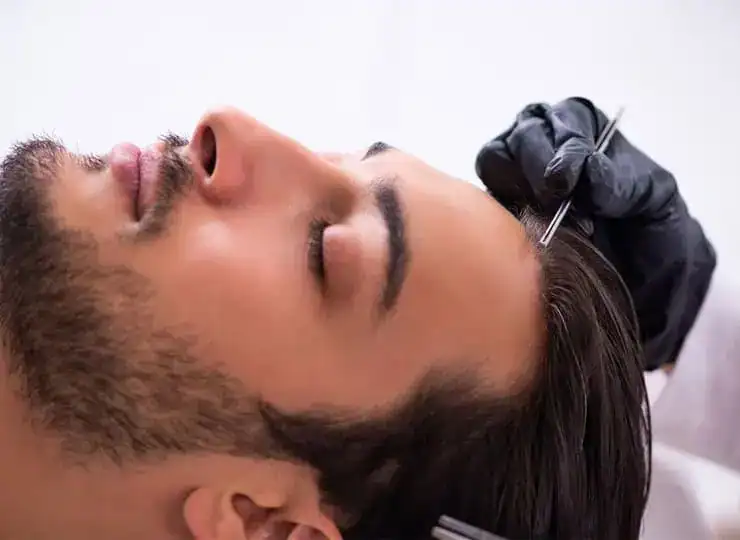
Hair transplants have emerged as the leading cosmetic procedure among men. According to a recent estimate from the ISHRS, over 10,000,000 hair restoration treatments took place worldwide in 2023.
This statistic highlights that hair loss is a widespread issue affecting individuals across various countries.
The only truly permanent remedy for this concern is the hair transplant procedure.
Yet, many individuals remain hesitant to pursue this option, primarily due to a pressing question: is hair transplant safe?
In this article, we will delve into the risks linked to hair transplant procedures, potential side effects, and the best practices to mitigate these complications.
Indeed, the majority of hair transplant procedures are safe and significantly reduce the likelihood of complications. However, this assurance holds true only when the treatment is conducted by a qualified specialist with the necessary credentials.
Unfortunately, some clinics adopt more relaxed standards. It’s not unusual for these establishments to assign underqualified lab technicians to lead the hair transplant process. Numerous medical professionals and hair restoration experts strongly recommend that only qualified individuals with the appropriate educational background should oversee such intricate cosmetic procedures.
So, is a hair transplant safe when performed by a qualified surgeon? Yes, most hair restoration procedures come with minimal to no postoperative side effects. However, as with any cosmetic procedure or surgery, there may be some potential complications.
At Nuttorn Hair Centre, we utilize cutting-edge, patented techniques that enable our specialists to perform the operation seamlessly while minimizing the risk of post-operative issues. To provide you with further clarity, let’s explore the various types of hair transplant techniques employed by different clinics.
Why Hair Transplants Are Safe
- Minimally invasive procedures Modern hair transplant techniques involve only local anesthesia and small incisions, resulting in minimal trauma to the scalp with low risk of complications compared to major surgical procedures.
- High success rates with few side effects Hair transplants have been performed for decades with well-documented safety profiles, typically causing only temporary, minor side effects like swelling or mild discomfort that resolve within days to weeks..
- Uses your own natural hair The procedure transplants hair follicles from one area of your scalp to another, eliminating risks of rejection or allergic reactions since you're using your own tissue rather than foreign materials or implants.
Key Hair Transplant Techniques
When it comes to hair transplant procedures, three primary techniques stand out.
- Direct Hair Implantation (DHI): This cutting-edge method is at the forefront of hair restoration for those facing baldness. Unlike older techniques that involve excising a strip of skin from the donor area, DHI is a minimally invasive approach. It entails the careful extraction of individual hair follicles, which are then directly implanted into the thinning or balding areas using specialized instruments. This technique not only promotes a more natural appearance but also minimizes scarring and accelerates recovery. For those yearning for a lasting solution to hair loss, DHI offers a precise and effective pathway to reclaiming their confidence and achieving a lush mane.
- Follicular Unit Extraction (FUE): This technique involves the meticulous removal of hair follicles from the donor site using specialized punch tools. The follicles are then transplanted to the desired area, resulting in minimal to no scarring.
- Follicular Unit Transplantation (FUT): In this method, a strip of skin is taken from the scalp. The extracted section is then divided into smaller grafts, each containing one to four hair follicles. These grafts are subsequently transplanted to the recipient area, while the donor site is sutured closed.
Which Method is Safer?
While both FUT and FUE have their advantages and disadvantages, Direct Hair Implantation (DHI) is considered the safest option. Its minimally invasive nature results in only slight scarring, making it a preferred choice for many.
The FUT technique results in a prominent scar where the skin is stitched together. In contrast, FUE is a more intricate process. Additionally, FUE may not be suitable for individuals needing a significant number of grafts for their hair restoration.
Nuttorn Hair Centre offers the advantage of meticulously placing each hair follicle, which fosters natural hair growth. The follicles are inserted at the optimal angle, direction, and depth, ensuring a seamless hairline and enhanced hair density.
As previously noted, the hair transplant using the DHI method is less invasive than other techniques. It employs a specialized device known as the DHI Implanter pen, which makes tiny incisions for implantation without the need for prior recipient site cuts. This approach minimizes scarring and accelerates the healing process. With the DHI Implanter, our surgeon can expertly control the angle, depth, and direction of each hair, making it the safest option available.
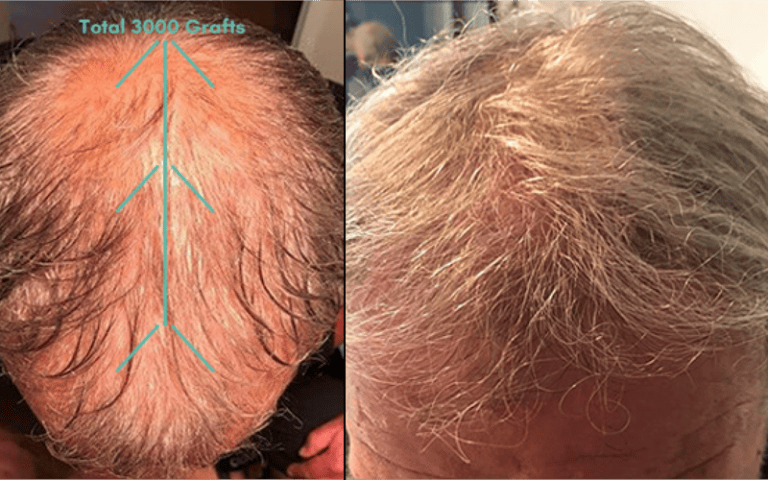
At Nuttorn Hair Centre, you can experience a secure hair transplant procedure that can accommodate up to 6,000 to 8,000 hairs in one session. When it comes to safety, Direct Hair Implantation should undoubtedly be your primary consideration.
In 2023, hair transplants emerged as the leading cosmetic procedure among men. Although precise statistics are elusive, estimates suggest that the number of hair transplants performed globally surpassed more than 10 million.
Risks Involved in Hair Transplantation
Although hair restoration procedures are typically safe, they are not entirely free from risks. Post-operative complications can arise, and it’s important to be aware of them.
Some of the more common issues include:
- Spread of infection
- Discomfort or pain at the surgical site
- Swelling in the forehead or around the hair follicles
- Bleeding from the area where the surgery was performed
- Ongoing hair loss even months after the transplant is completed
If you notice any of these symptoms, it’s crucial to contact the clinic where your procedure was done for prompt medical assistance. However, focusing on preventive measures is always preferable to seeking a remedy