Hair loss isn’t just a male issue. Learn about the specific factors behind female alopecia and the treatment options designed for women’s hair restoration.
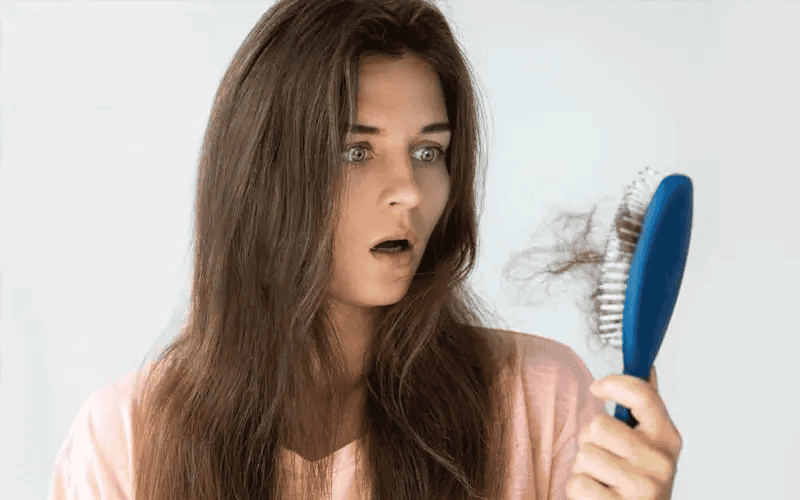
Alopecia, the medical term for hair loss, is a prevalent concern affecting millions of women worldwide. While some hair shedding is a natural part of the hair growth cycle, excessive or premature hair loss can significantly impact a woman’s self-esteem and overall quality of life.
Several distinct forms of alopecia can manifest in women, each with its own characteristics.
Types of Alopecia in Females
Several distinct types of alopecia can affect women, each with unique characteristics:
- Androgenetic Alopecia (Female Pattern Baldness) This is the most common type of hair loss in men, accounting for over 95% of cases. It follows a predictable pattern of receding hairline and thinning crown, eventually progressing to partial or complete baldness. Genetics and male hormones (androgens) play a crucial role in its development. It can begin as early as puberty but typically becomes more noticeable in the late 20s or 30s.
- Alopecia Areata This autoimmune condition causes hair loss in round or oval patches on the scalp, face, or other body parts. Your immune system mistakenly attacks hair follicles, leading to hair loss. It can occur at any age and is often triggered by stress or illness. In some cases, hair loss can be extensive (alopecia totalis) or involve the entire body (alopecia universalis).
- Telogen Effluvium This type of hair loss is characterized by excessive shedding due to a disruption in the hair growth cycle. It can be triggered by various factors, including stress, illness, medication, or nutritional deficiencies. Hair loss is usually temporary, with hair regrowth occurring within a few months.
- Scarring Alopecia (Cicatricial Alopecia) This is a less common group of disorders that cause permanent hair loss due to scarring of the hair follicles. It can be caused by various factors, including inflammation, infections, or skin conditions. Hair loss is irreversible as the hair follicles are destroyed.
Causes of Alopecia in Women
The causes of alopecia in women vary depending on the specific type. Genetics plays a significant role in androgenetic alopecia, with a family history of baldness increasing the risk. Hormonal fluctuations, particularly those associated with menopause, pregnancy, and childbirth, can also contribute to hair loss.
Certain medications, such as chemotherapy drugs, are known to cause hair loss as a side effect. Nutritional deficiencies, especially in essential nutrients like iron and zinc, can also contribute to hair thinning and loss. Lastly, as previously mentioned, tight hairstyles can lead to traction alopecia.
The symptoms of alopecia also vary depending on the type. Gradual thinning on the top of the head is the most common symptom of female pattern baldness, often accompanied by a widening part. Alopecia areata is characterized by the appearance of circular or patchy bald spots. Telogen effluvium may manifest as a sudden loosening and increased shedding of hair. Scarring alopecia may present with scaling or inflammation of the scalp. Traction alopecia can lead to broken or thinning hair along the hairline.
The advent of Long Hair Transplants has revolutionized hair restoration for women. This technique allows for transplantation without requiring any shaving of the head, a significant advantage for women concerned about the cosmetic impact of a shaved head. Long Hair Transplants offer minimal disruption to daily life and boast very fast recovery times.
Treatment Options for Women
Several treatment options are available for alopecia in women, depending on the type and severity:
- Medical Treatments:
- Minoxidil/Finasteride: This over-the-counter topical medication can stimulate hair growth and is a common first-line treatment.
- Spironolactone: This prescription oral medication can block the effects of androgens and is often used for female pattern hair loss.
- Surgical and Other Therapies:
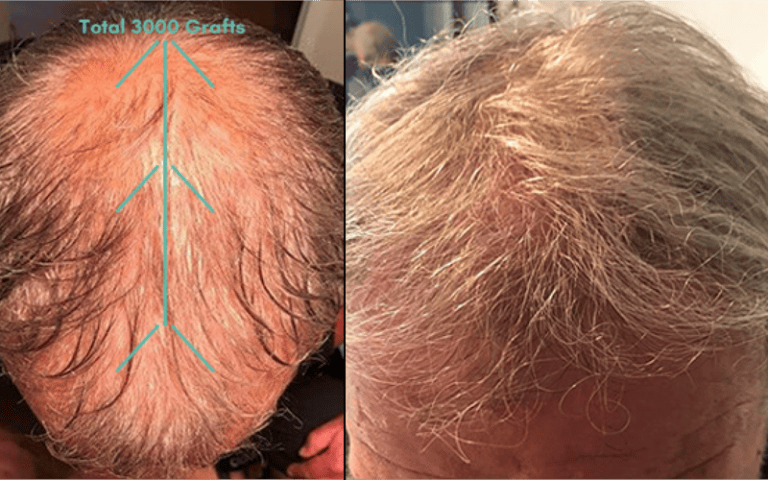
- Hair Transplant Surgery: This involves transplanting hair follicles from a donor area to the balding area. Traditional techniques include Follicular Unit Transplantation (FUT) and Follicular Unit Extraction (FUE). Notably, the advent of Long Hair Transplants has revolutionized hair restoration for women. This technique allows for transplantation without requiring any shaving of the head, a significant advantage for women concerned about the cosmetic impact of a shaved head. Long Hair Transplants offer minimal disruption to daily life and boast very fast recovery times.
- Low-Level Laser Therapy (LLLT): This treatment uses lasers to stimulate hair growth at the follicle level.
Scaling or inflammation of the scalp: This may be present in scarring alopecia.
Final Word
In addition to medical and surgical interventions, certain lifestyle changes can support hair health. Managing stress, maintaining a balanced and nutritious diet, and avoiding harsh hair treatments can all contribute to improving hair health. Wigs and hairpieces can also provide a cosmetic solution for those experiencing significant hair loss. The most effective treatment approach will depend on the specific type of hair loss, its severity, and individual preferences. Consulting with a hair transplant professional is crucial for accurate diagnosis and personalized treatment recommendations. They can provide guidance on the most appropriate course of action to manage hair loss and improve overall well-being.