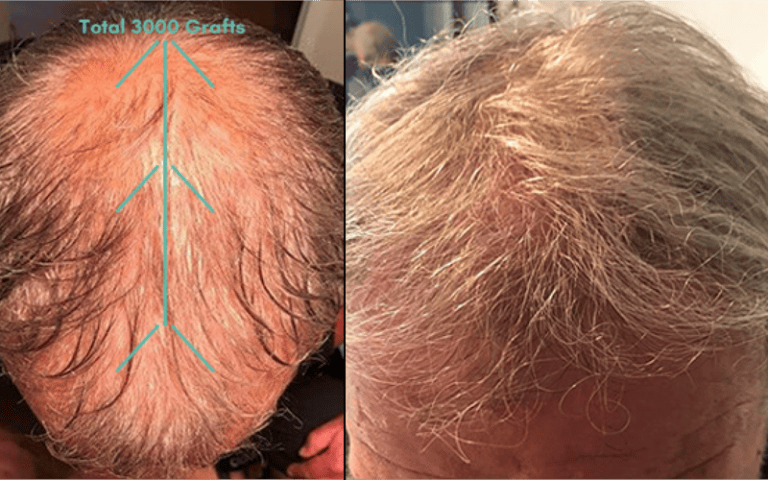
When traditional scalp donor areas prove insufficient for FUE/DHI procedures, surgeons increasingly turn to body hair transplantation (BHT). Chest, beard, back, and leg hair offer viable alternatives, each presenting unique characteristics in terms of texture, growth cycle, and compatibility with recipient sites.
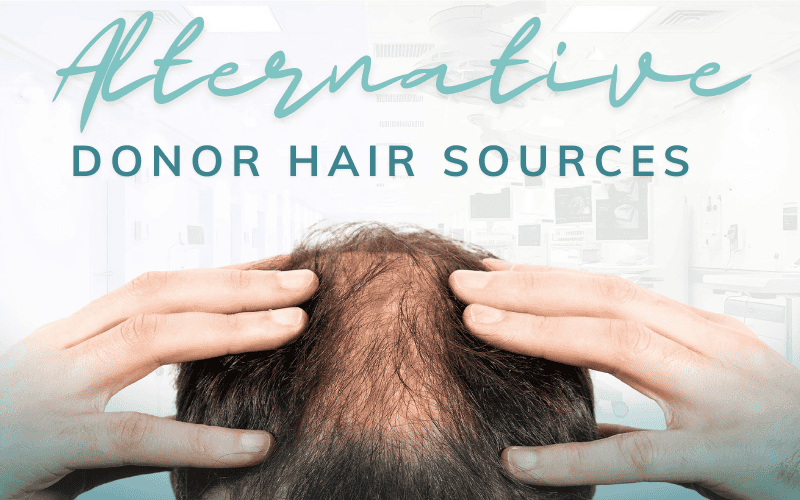
If you’re reading this, you’re likely exploring solutions for hair loss, a concern We’ve seen touch the lives of many patients, often affecting their confidence and sense of self.
At our clinics, we specialise in Follicular Unit Extraction (FUE) and Direct Hair Implantation (DHI), two advanced techniques designed to restore hair naturally. Typically, we source hair follicles from the back and sides of the scalp, areas known for their resilience against thinning. But what happens when these donor regions aren’t enough? That’s when we turn to alternative sources like chest, beard, back, and even leg hair.
In this article, We’ll guide you through how these options work, their benefits, and where they best apply; specifically for the crown or vertex, not the frontal hairline.
Why Alternative Hair Sources?
- Expanded Possibilities Alternative donor hair sources provide additional follicles when scalp hair is limited, ensuring fuller coverage.
- Customised Outcomes Each alternative donor hair source offers unique qualities, allowing us to match your hair needs precisely.
- Second Chances Past hair transplants or thinning donor area? These extra hair sources for donor hair keep your hair replenishment goals alive.
Below we will discuss each of the most popular (and feasible) alternate donor hair sources and their features.
Chest Hair: A Valuable Resource for Density
In our clinic, chest hair is a reliable choice when scalp donors are insufficient, perhaps due to advanced hair loss or previous transplants. Its thicker, curlier nature makes it ideal for enhancing the crown or vertex, though it’s unsuitable for the frontal hairline.
Why It's Effective
- Abundant Supply
Many individuals have ample chest hair, offering a generous pool of follicles. - Rich Texture
Its coarse quality adds volume and fullness to targeted areas. - Harmonious Integration
When blended with scalp hair, it creates a natural effect in the right zones.
Considerations
Extracting chest hair requires skill, as the follicles sit deeper in the skin. Its robust texture isn’t suited for the hairline’s finesse. Still, for crown enhancement, it’s highly effective.
Best Scenarios
We recommend chest hair for patients needing significant crown or mid-scalp coverage. It’s about achieving practical, balanced results.
Beard Hair: A Strong Contender for the Crown
Beard hair, particularly from beneath the chin, is a standout in my clinics. Its density and similarity to scalp hair make it perfect for the crown or vertex, though it doesn’t suit the frontal hairline.
Why It's Effective
- High Yield
The beard area is rich with follicles, providing a substantial donor reserve. - Close Match
Its texture aligns well with scalp hair, enhancing density seamlessly. - Discreet Extraction
Scarring under the chin remains minimal and less visible.
Considerations
Beard hair grows in varied directions, so precise implantation is key for a natural look. It also demands careful harvesting to avoid thinning the beard. While versatile, it’s not refined enough for the hairline.
Best Scenarios
For patients seeking crown density with limited scalp options, beard hair is an excellent choice, effective and subtle.
Back Hair: A Practical Backup
Back hair is less common but invaluable when other sources run low. It’s ideal for covering broader areas like the crown or vertex, though not the frontal hairline.
Why It's Effective
- Generous Area
The back provides a large surface with plentiful follicles. - Coverage Support
It’s well-suited for adding density across expansive regions.
Considerations
Back hair is finer and follows a different growth pattern than scalp hair, which may affect uniformity. As with chest and beard, back hair is not a fit for the hairline.
Best Scenarios
This option suits patients who’ve used up scalp, chest, and beard reserves but need crown volume. It’s a strategic addition.
Leg Hair: A Final Option
Leg hair is rarely tapped, but it’s there when all else falls short. Its fine, short nature limits it to the crown or vertex, never the hairline.
Why It's Effective
- Supplementary Boost
It offers a small but useful supply of follicles. - Gentle Enhancement
It works for subtle density in specific areas.
Considerations
Leg hair’s delicate structure makes extraction challenging, and its short growth cycle doesn’t align with scalp hair. It’s too fine for the hairline or prominent zones.
Best Scenarios
I turn to leg hair as a last resort for patients with minimal donor options, focusing on light crown enhancement.
Blending Sources for Optimal Results
Dr Nuttorn’s expertise lies in combining these sources wisely; traditional donor area at the back and sides of scalp for the hairline and all other areas of your head but other sources can be blended into the mid-scalp and crown/vertex.
A key reminder: chest, beard, back, and leg hair are reserved for the crown or vertex and some areas of mid-scalp on a case by case basis. It’s not suitable for the frontal hairline, due to these hair sources distinct texture and growth.
Advice for Patients
- Suitability Check
Not everyone qualifies. Dr Nuttorn will evaluate your hair and goals to find the right path. - Expert Precision
At Nuttorn Hair Centre, we excel in these complex extractions. Experience counts. - Aligning Expectations
We’ll select sources that suit your hairs growth profile, keeping alternatives crown-focused. - Care After Surgery
Proper healing is essential for lasting success; follow-through matters.
Considerations
Leg hair’s delicate structure makes extraction challenging, and its short growth cycle doesn’t align with scalp hair. It’s too fine for the hairline or prominent zones.
Best Scenarios
I turn to leg hair as a last resort for patients with minimal donor options, focusing on light crown enhancement.
Final Word
Scalp hair remains the gold standard for FUE/DHI at my clinics, but when it’s scarce, chest, beard, back, and leg hair offer remarkable alternatives, especially for the crown and vertex. Each brings its own strengths and challenges (and yes, stays clear of the hairline!). With my team’s skill and modern techniques, we’re helping patients reclaim natural, lasting hair. Wondering if this fits your needs? Contact us at Nuttorn Hair Centre, I’d be delighted to discuss your options personally.